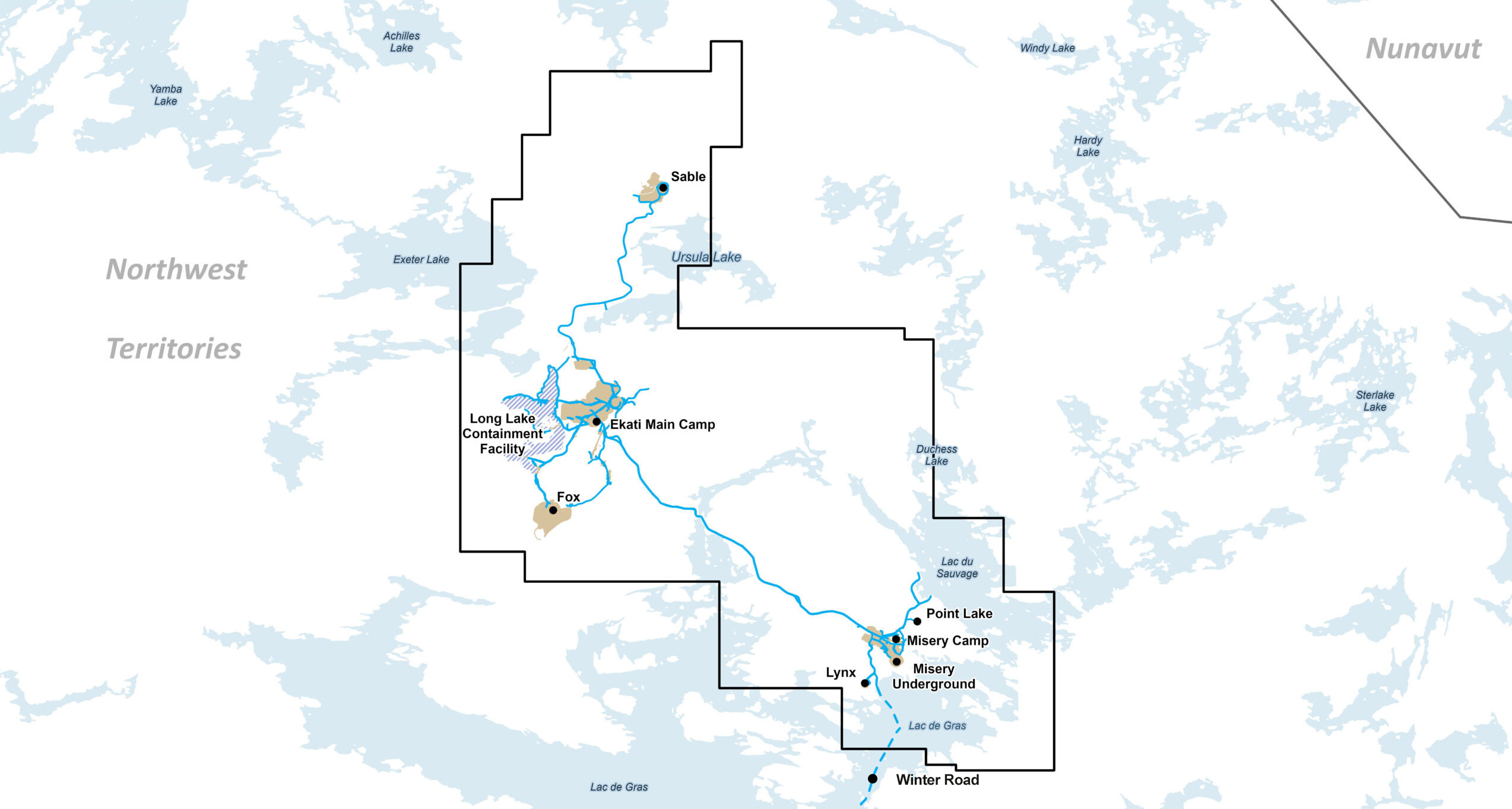
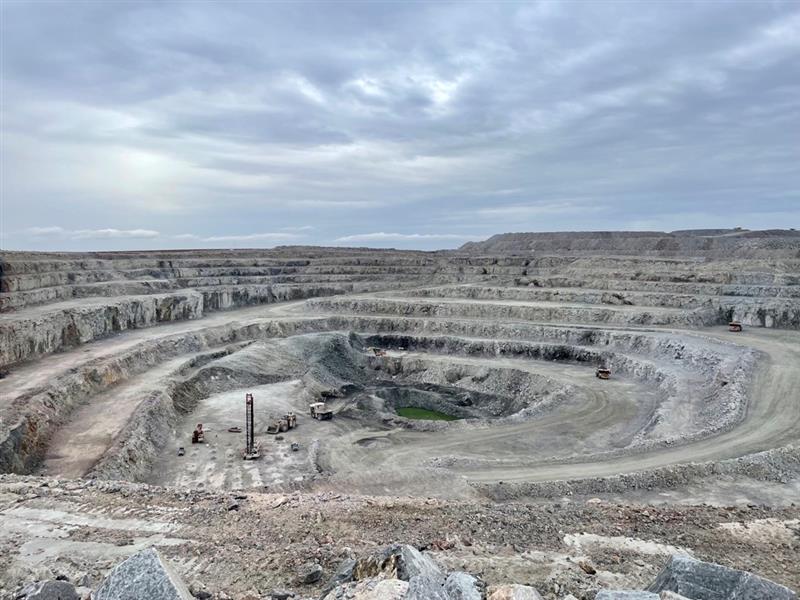
Sable Open Pit
The Sable kimberlite pipe was discovered in 1996. Open-pit production ran from 2018 to the second quarter of 2025 and yielded more than 7.5 million carats.

Lac de Gras, Northwest Territories
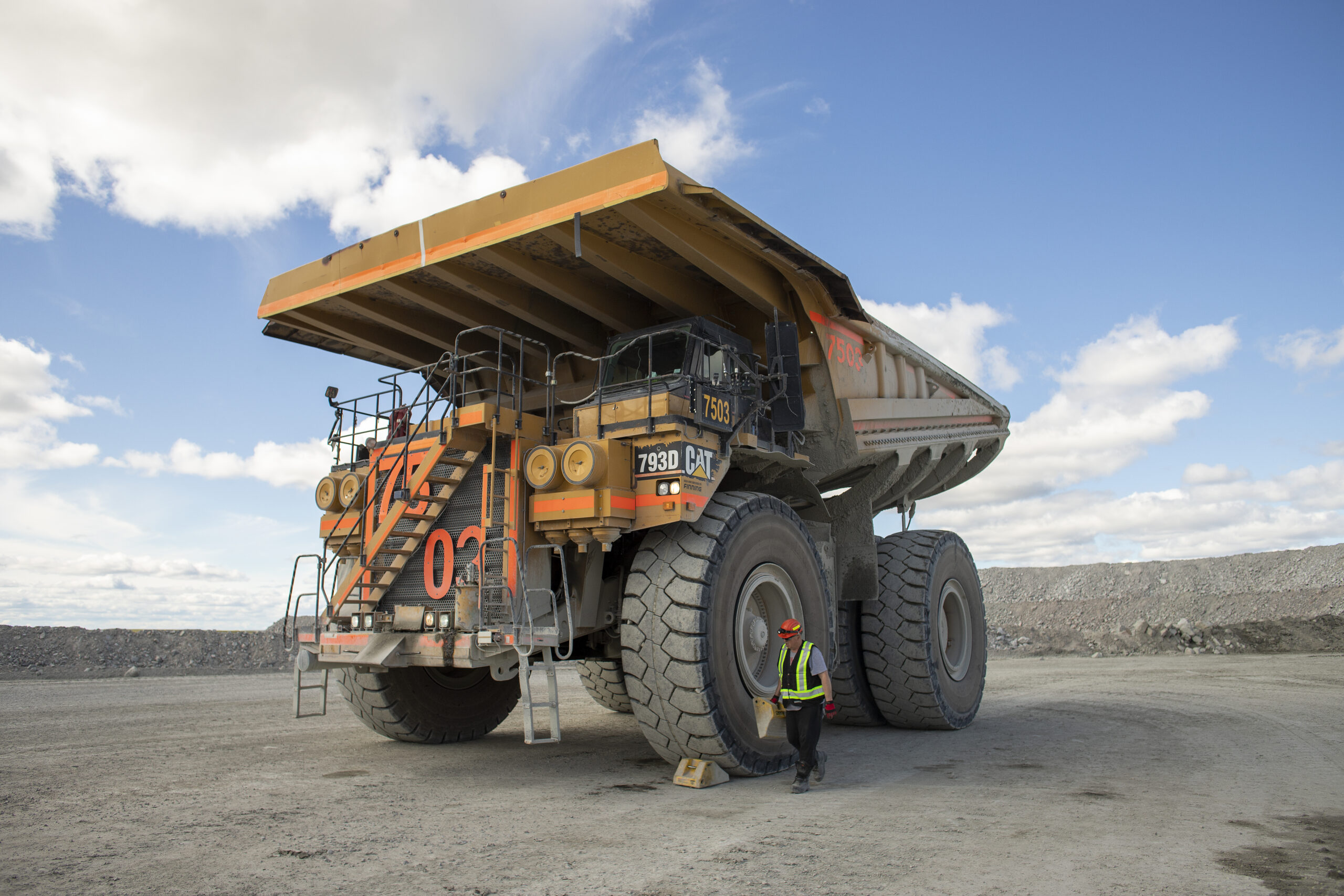
Current site status
Mining stopped after PricewaterhouseCoopers Inc. was appointed Receiver on . The Receiver reports on site safety, environmental monitoring and preparations for reclamation.
Ekati began producing diamonds in October 1998 after five years of evaluation and development. Over its operating life, Ekati recovered gem-quality diamonds through both open-pit and underground mining.
The mine is roughly 300 kilometres northeast of Yellowknife. The Tłı̨chǫ are a Dene First Nation and one of the traditional land users in the area.
Ekati’s former open pits and underground workings were supported by an ore-processing plant, camps, haul roads and water management facilities.
Misery Underground used sublevel retreat mining. Trucks hauled ore to the surface through two ramp portals for transfer to the processing plant. The nominal design called for 3,000 tonnes mined per day, including 2,750 tonnes of ore for processing.
PwC says a dedicated winter road to Ekati will not operate in the 2026–27 season.
PwC winter-road informationChoose a marker or use the location list to see photos and site details.
The Sable kimberlite pipe was discovered in 1996. Open-pit production ran from 2018 to the second quarter of 2025 and yielded more than 7.5 million carats.
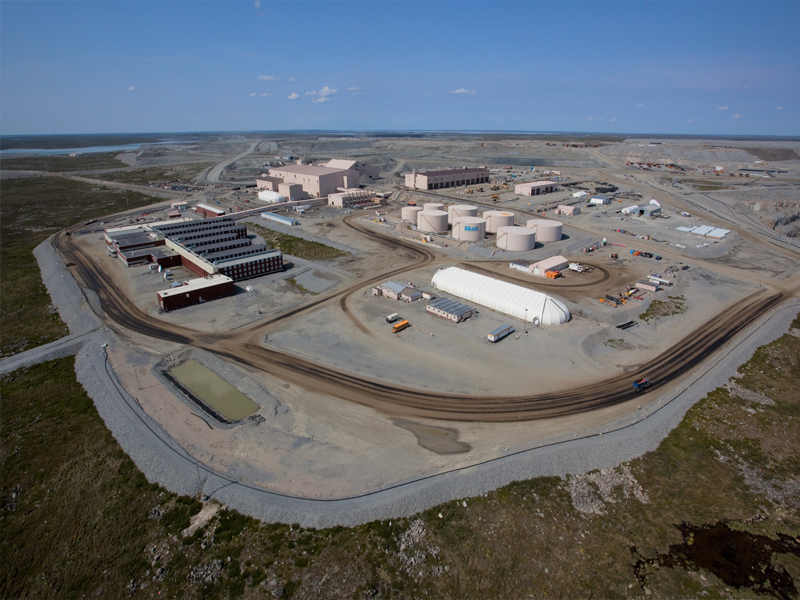
The main camp opened in 1998. It provided private rooms, dining, a store, laundry and recreation facilities for employees working on rotation.
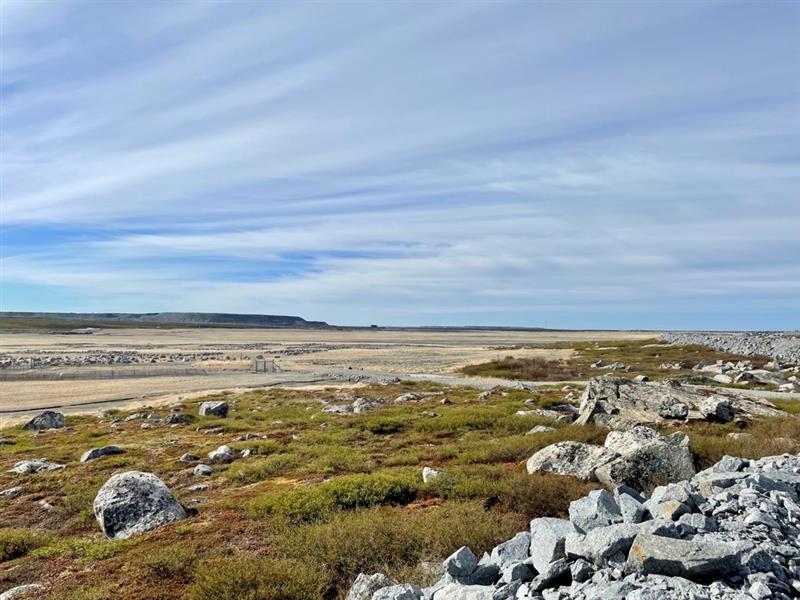
The processing plant pumped fine processed kimberlite to Long Lake. The facility has five containment cells, three filter dikes and an outlet dam. Revegetation research began there in 2014.
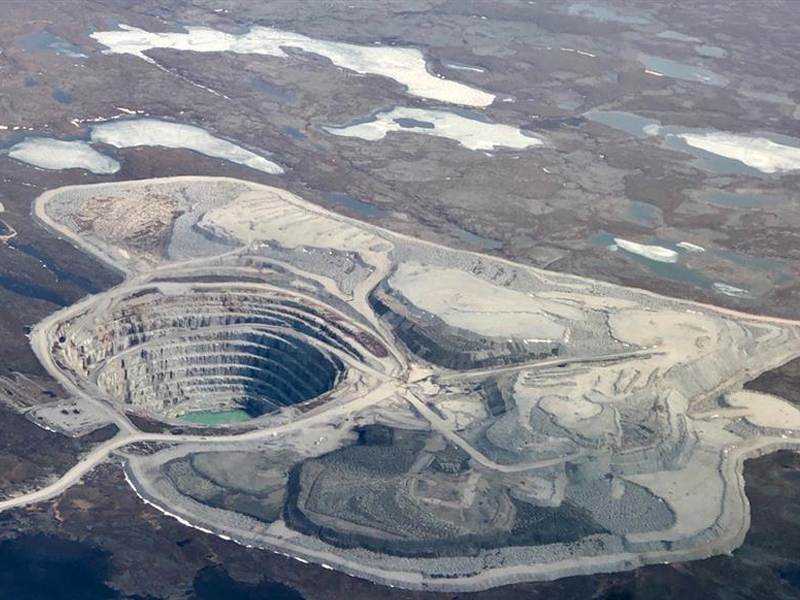
Discovered in 1992, Fox was the second kimberlite pipe found at Ekati. The open pit yielded over eight million carats from 2004 to 2015. Later studies considered accessing deeper ore by underground or underwater methods.
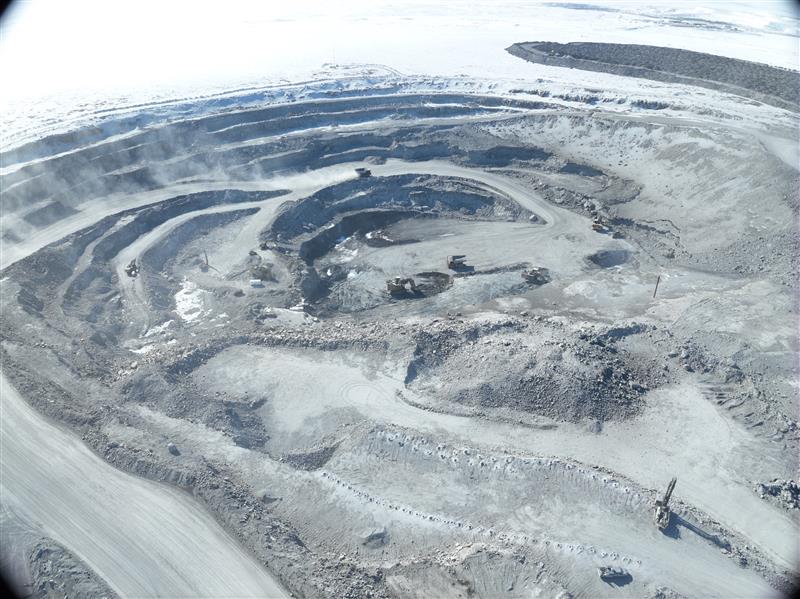
Point Lake was the first diamond-bearing kimberlite pipe discovered in the Northwest Territories in 1991. The pit is about three kilometres northeast of Misery Camp. The company reported first ore in late 2024 and suspended open-pit mining there in July 2025.
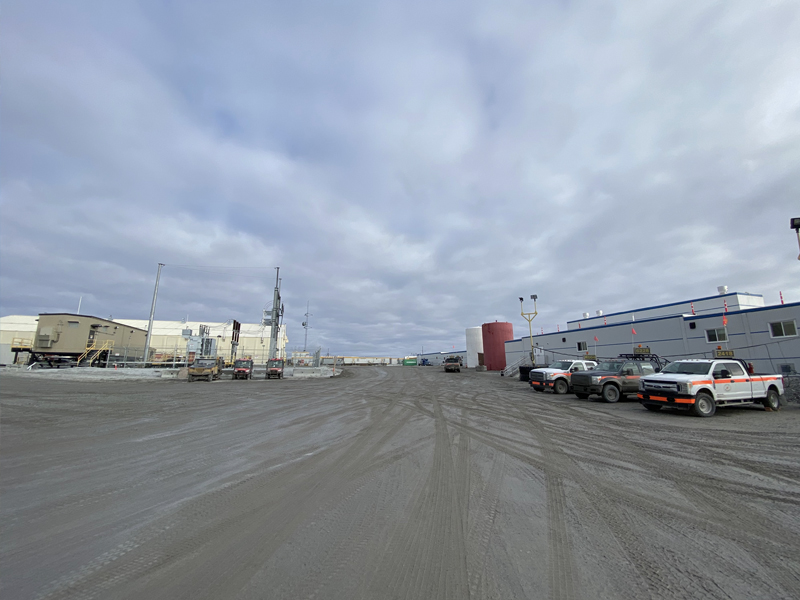
Misery Camp opened in 2001 and expanded in 2015. About 45 minutes by road from Ekati Main Camp, it housed crews who worked at Misery Underground.
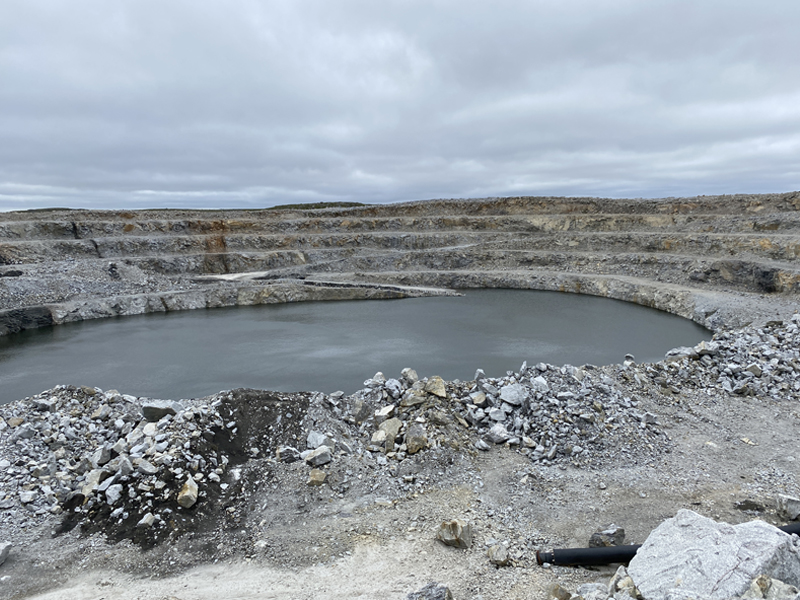
Located south of Misery, Lynx produced just under one million carats between 2017 and 2019. The pit was later selected as a potential trial site for underwater remote mining.
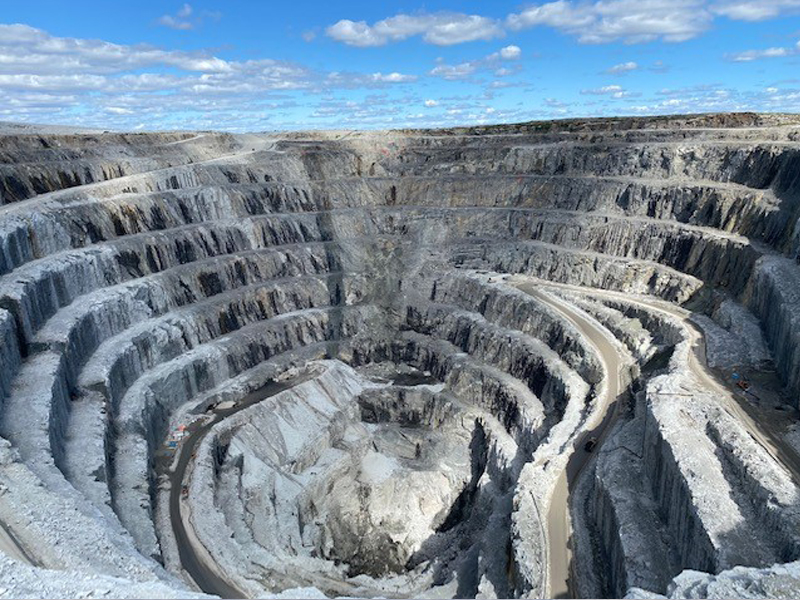
The original open pit yielded more than 27 million carats, including fancy yellow diamonds. The site transitioned to underground mining in 2019 and reached commercial production in 2021. Two ramp portals connected the underground workings to the surface.
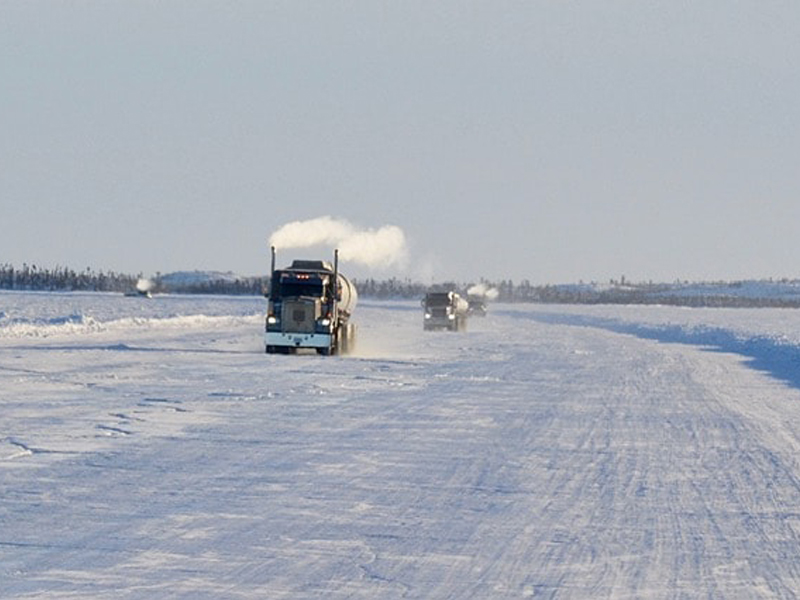
The 475-kilometre seasonal supply road ran across frozen lakes for 86 percent of its length. Ekati was reached via the Misery haul road, with typical access from early February to late March, depending on weather.
Diamond exploration begins in the Lac de Gras region.
The Point Lake discovery sparks Canada’s largest claim-staking rush.
Ekati opens in October as Canada’s first diamond mine.
Open-pit mining begins at Fox.
Production starts at Sable Open Pit.
Misery Underground reaches commercial production.
Ekati recovers its 100 millionth carat and reports first ore at Point Lake.
Mining ceases and Ekati enters care and maintenance.
This chart shows the project schedule published during Ekati’s operating years. It reflects plans at the time. See current site status.
Scroll across to see all seven years.
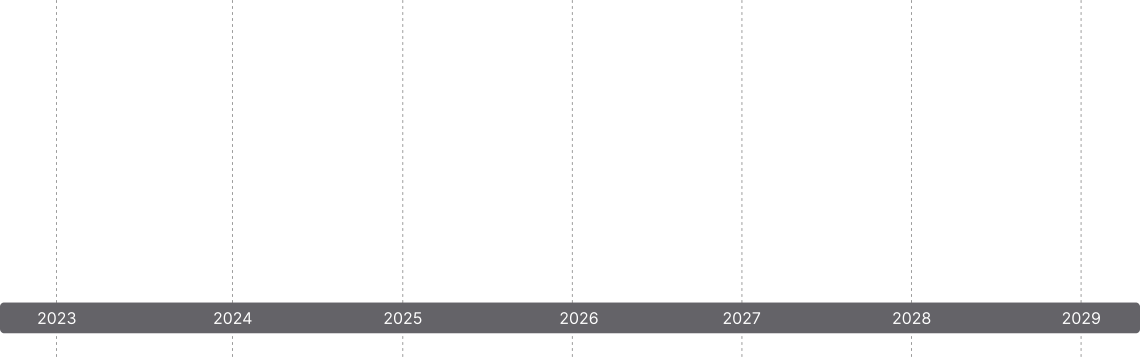
A previously published mine plan scheduled production through 2028, with Point Lake expected to supply most of the plant’s ore after 2025.
A separate concept considered extending operations toward 2040. Options included expanding Misery Underground, developing underground mines at Sable and Fox, processing the Fox stockpile, expanding Point Lake and using underwater remote mining.
Four Impact Benefit Agreements addressed the effects of mine development on Indigenous land use and set out economic benefits for northern communities.
Signatories included the Tłı̨chǫ Government, the North Slave Métis Alliance, Akaitcho Treaty 8 (Yellowknives Dene First Nation and Łutsël K’é Dene First Nation), and the Hamlet of Kugluktuk and Kitikmeot Inuit Association.